How to Eat Healthy on a Tight Budget
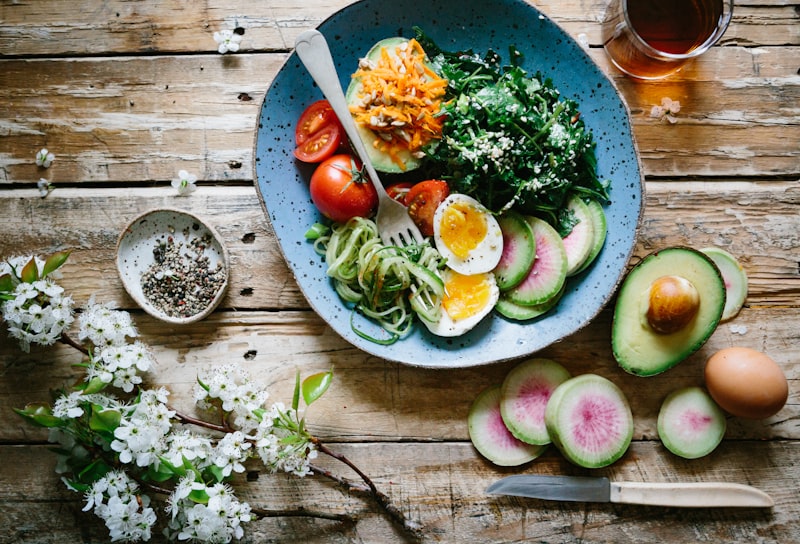
Eating healthy on a budget is mostly a marketing problem, not a money problem. Quinoa, acai bowls, and cold-pressed juice are expensive; vegetables, legumes, eggs, and whole grains are not. This guide is a concrete shopping and prep system that keeps your food nutritious while cutting the grocery bill.
The Myth of Expensive Healthy Eating
The health-food industry profits from convincing you that "healthy" means premium. It doesn't. The cheapest staples on the planet — beans, lentils, eggs, oats, seasonal produce — are also among the most nutrient-dense. The Dietary Guidelines for Americans are built almost entirely around foods you can buy for pocket change.
The Cheapest Healthy Foods (Per Gram of Nutrition)
| Food | Why it wins | Rough cost |
|---|---|---|
| Dal / legumes | ~9g protein + fiber per serving | Very low |
| Eggs | Complete protein, endlessly versatile | Low |
| Oats | Filling complex carbs | ₹50 for a week of breakfasts |
| Seasonal vegetables | Cheaper, fresher than off-season imports | Low |
| Bananas | Best calories-per-rupee fruit | Very low |
Build 80% of your meals from this list and the other 20% almost doesn't matter.
Meal Prep: The Actual Strategy
Cook once, eat three times. A 90-minute Sunday batch session sets up your entire week and kills daily decision fatigue.
Batch cook:
- A large pot of dal or rajma
- 8–10 boiled eggs
- A tray of roasted vegetables
- Cooked rice or millet
Then mix and match through the week: dal + rice one day, eggs + veg the next, a grain bowl after that. Minimal waste, zero "what's for dinner" stress.
A Sample ₹500 Week
- 1kg dal or rajma
- 30 eggs
- 1kg oats
- 3–4kg seasonal vegetables
- 1kg rice or millet
- A dozen bananas
That covers breakfast and one main meal a day for one person, with leftovers.
Hitting Your Protein on the Cheap
Protein is where most budget eaters quietly fall short, and it's also the most expensive macro if you buy it badly. The fix is to anchor every meal around a cheap, complete-or-complementary source. A practical daily target for an active adult is roughly 1.6g of protein per kilogram of bodyweight — about 110g for a 70kg person. Here's how cheap staples stack up so you can build that total without a single scoop of powder:
| Food | Protein per serving | Serving |
|---|---|---|
| Eggs | ~6g each | 2–3 eggs |
| Dal / lentils | ~9g | 1 cooked cup |
| Rajma / chickpeas | ~15g | 1 cooked cup |
| Greek-style curd | ~10g | 1 small bowl |
| Peanuts | ~7g | a small handful (30g) |
Three eggs at breakfast, a cup of rajma at lunch, and a generous bowl of dal with curd at dinner already clears 60g before you count the rice, roti, or vegetables alongside them. Pairing a grain with a legume — rice and dal, roti and chana — gives you a complete amino-acid profile for a fraction of the cost of meat. This is exactly why dal-rice has fed a subcontinent for centuries: it's nutritionally near-complete and almost absurdly cheap per gram of protein.
Cooking Once to Save Money and Time
The hidden cost of "healthy eating" isn't the ingredients — it's the willpower spent deciding what to cook three times a day. Decision fatigue is what drives the 9pm food-delivery order that blows both your budget and your nutrition for the week. Batch cooking removes the decision entirely. When a pot of dal, a tray of roasted vegetables, and 8 boiled eggs are already in the fridge, the cheap healthy option is also the lazy option, and the lazy option usually wins.
A few rules keep batch food from getting boring or going to waste:
- Cook bases, not finished dishes. Plain dal, plain rice, and plain roasted veg recombine into five different meals. A fully spiced biryani only ever tastes like biryani.
- Refrigerate within two hours and eat cooked food within three to four days. Freeze anything beyond that in single portions.
- Change one variable per meal — a different pickle, a squeeze of lemon, a fried egg on top, a handful of coriander. Small changes beat boredom for pennies.
Done well, a 90-minute Sunday session costs you an hour and a half once and saves you roughly seven hours of weeknight cooking, plus the money you'd have spent ordering in on the nights you couldn't be bothered.
What to Avoid
- Pre-cut vegetables — 2–3x the cost for no nutritional benefit.
- Branded "health" cereals — often mostly sugar; check the label.
- Smoothie ingredients bought separately — a blender and seasonal fruit beats any branded blend.
The Shopping Habit That Changes Everything
Shop at your local sabzi mandi or vegetable market instead of a supermarket. The produce is fresher, prices run 40–60% lower, and you'll naturally buy more vegetables than packaged food. Going once a week also makes batch prep easier.
Pairing Food With Training
If you're working out, cheap protein matters even more — eggs and dal cover most of it without protein powder. Our beginner workout routine pairs neatly with this shopping list. And since recovery is half the equation, it's worth understanding why sleep is your best productivity tool before you blame your diet.
FAQ
Is frozen produce a cop-out? No — frozen vegetables are picked ripe and often beat tired fresh stock on both price and nutrition.
Where do I find more no-fluff guides? The health blog collects them in one place.
This is general guidance, not medical or dietary advice — adjust for your own needs and any conditions.