How to Stop Procrastinating: What Actually Works
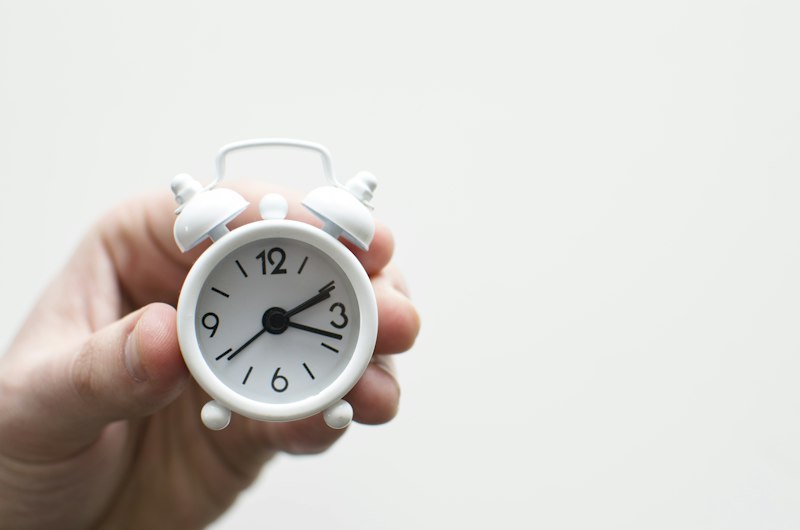
If you want to stop procrastinating, the first thing to throw out is the idea that you're lazy. Procrastination isn't a time-management failure — it's an emotion-regulation problem. Once you understand that, the fixes that actually work start to make sense, and the ones that never worked stop disappointing you.
Why Willpower Doesn't Work
Telling yourself to "just do it" treats procrastination as laziness. It's not. As researchers like Dr. Tim Pychyl have shown, procrastination is avoidance of a negative emotion — anxiety, boredom, self-doubt — associated with the task. Delaying the task gives you instant relief from that feeling, which is exactly why it's so reinforcing and so hard to muscle through.
Willpower fails because it targets the wrong thing. You're not short on discipline; you're avoiding a feeling. The American Psychological Association's overview of procrastination research lands on the same point: it's about mood repair, not laziness. So the fix isn't to push harder — it's to lower the emotional cost of starting.
The Actual Fix
Reduce the emotional cost of starting, not the difficulty of the task.
Technique 1: The 2-Minute Start
Commit to working on something for just 2 minutes. Not finishing it — starting it. Once you're in motion, continuing is far easier than starting. The hard part is always the first minute.
Technique 2: Implementation Intentions
Don't say "I'll work on the report today." Say "I'll work on the report at 10am at my desk for 45 minutes."
Specificity of when, where, and for how long reduces the friction of starting. Your brain no longer has to decide — it just executes. Studies on implementation intentions consistently show that people who specify when and where are far more likely to follow through than those who only set a goal.
This pairs naturally with a stable schedule. If you've already got a solid morning routine, anchoring your hardest task to a fixed time slot takes almost no extra effort.
Technique 3: Make the Task Less Aversive
Ask: what specifically feels bad about this task? Usually it's one part of it — the blank page, the first conversation, the complexity.
Break that one part into the smallest possible action. Write one sentence. Send one message. Draw one box. The task becomes less threatening.
Technique 4: Reduce Escape Routes
Procrastination needs a destination. The mind doesn't avoid work into a vacuum — it flees toward something easier and more pleasant, almost always your phone. If the phone is across the room in another bag, you'll procrastinate measurably less, because the escape route now has friction of its own.
This is the same principle behind digital minimalism: make the unhelpful option two steps harder, and the helpful one wins by default. Friction works both ways — use it deliberately.
The Pattern to Watch For
If you procrastinate the same tasks repeatedly, the task itself is the signal — either it's wrong for you, or it needs to be redesigned. Chronic avoidance is information, not a character flaw. A report you dread every single week might need a different format, a delegated owner, or to not exist at all.
Common Mistakes
- Waiting to "feel ready." Motivation follows action, not the other way around. Start for two minutes and the feeling catches up.
- Punishing yourself for procrastinating. Self-criticism raises the negative emotion around the task, which makes you avoid it more. Self-forgiveness, studies find, predicts less future procrastination.
- Confusing busywork with progress. Reorganizing your desk or color-coding your notes feels productive but is often just sophisticated avoidance of the one hard thing.
FAQ
Is procrastination the same as being lazy? No. Lazy people don't care about the outcome; procrastinators usually care a lot, which is precisely why the task feels threatening enough to avoid.
What if I procrastinate on everything, not one task? Then look upstream — poor sleep, an overwhelming schedule, or burnout flattens your capacity to tolerate any discomfort. Fixing the basics, starting with why sleep is your best productivity tool, often does more than any technique.
For more focus and habit guides, browse the life category.